-
Partial to Parasol Over Bird Brain Hummingbird Feeders
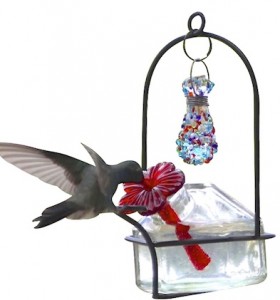 Gift idea # 45: Get someone hooked on hummingbirds!
First and foremost, the Hummingbird Society recommends leaving at least one feeder out for stragglers or the occasional sprite who doesn’t head south! Wintering along the East coast, several birds have been documented enduring tough weather in the Northern hemisphere- and their dedicated hosts who manage to keep nectar from freezing!
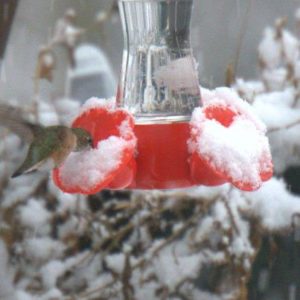
Although the company is now defunct, Bird Brain hummingbird feeders are still around, but we’re partial to the elegance of Parasol’s feeders instead.
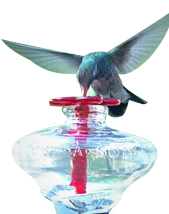
Both made from recycled glass, the ones made in Mexico are better quality than what comes from overseas. Their designs are unique, and Parasol’s love of birds shines through not only in their product offerings, but community involvement with raising awareness and conservation of the species.
In heir latest newsletter, the Mexican tradition Day of the Dead was explained and how Parasol was involved with the annual fall celebration. Their altar theme was dedicated to Martha, the last passenger pigeon. She died 100 years ago in a zoo after spending many years in captivity. Once an overly a
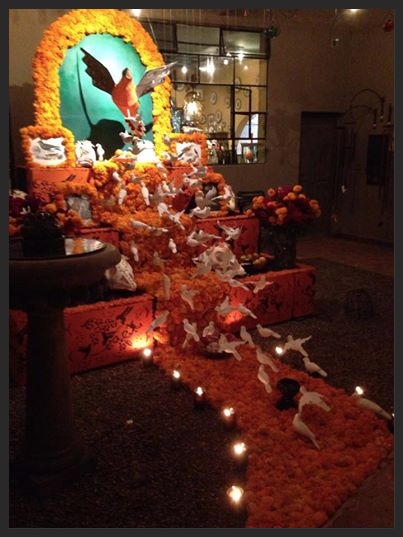 bundant bird, the passenger pigeon became extinct in a period of one hundred years due to indiscriminate hunting.
Martha is considered a symbol of the threat that humans pose for some species, and that’s why Parasol honored the centennial of her death and its relevance with their Day of the Dead altar. Several hummingbird species are currently listed as critically endangered, and The Birdhouse Chick is a proud business sponsor of The Hummingbird Society. A portion of proceeds from each hummingbird feeder sold goes towards the society’s ongoing conservation efforts.
-
Edible Birdhouse Gift Keeps On Giving
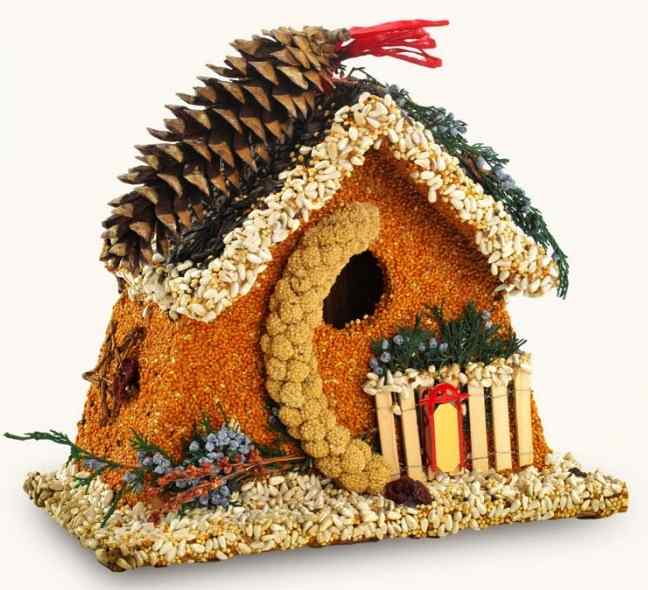
 Kudos to the company who makes this edible birdhouse, because that’s all they do… specialty wild bird treats. And birds will tell you they do the job right! The Birdies Bed Breakfast not only looks good for an awesome present, it keeps on giving too.
Really like two gifts in one, a bird feeder at first, so the recipient gets an excuse to sit back, relax and enjoy watching some resident birds. It then becomes a real nesting site for spring. They may even catch someone roosting inside on a blustery day trying to escape the elements.
With 1.5-inch entry, it’s perfect for bluebirds, chickadees, warblers, wrens and other favored songbirds. The full size wooden house beneath the quality seed may be stained or painted, or even left natural to weather over time. A sturdy hook’s attached for easy hanging… just keep it away from squirrels!
Best to use edible birdhouses in sheltered areas as feeders, or with baffles or weather guards. They’ll feed more birds over a longer time if protected from harsh weather and pesky critters. Once the seed’s consumed, the house should be hung from a branch in a quiet part of the yard.
Keep watch in early spring (sure hope it’s earlier than last year) when local birds start claiming nest sites and attracting mates to raise their young. Now, what mama bird wouldn’t be totally impressed with digs like these?
-
Watch Out for this at Wild Bird Feeders
 Seeing more traffic at your feeders lately? The recent cold snap and first freeze of the season has finches flocking to feeders. The frost will damage some plants with fruit or berries, and likely zap most flying insects. As the cold wears on, these natural food sources disappear so wild bird feeders start seeing increased activity.
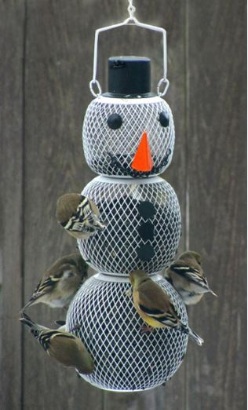
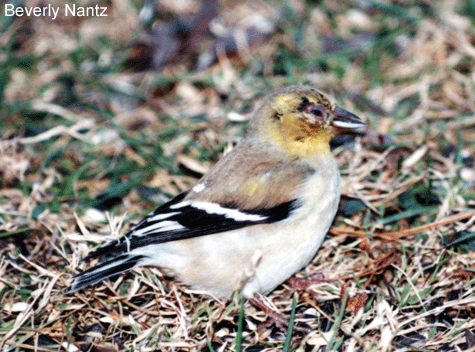
Aside from the usual suspects like cardinals, chickadees titmice and wrens, goldfinches are still around from summer- but with their new winter feathers they’re looking a bit drab as seen on
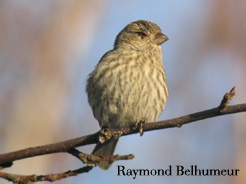
 this snowman feeder. House Finches, who tend to travel in large flocks are crowding feeders now too, and they appear at new feeding areas in large groups. These birds are prone to a respiratory infection (see Cornell Lab for the history) that may infect other birds through bird feeders. The disease is actually conjunctivitis, though it’s not transferred to humans.
 Affecting their eyes, the bacteria itself is not fatal, but infected birds usually end up blind and die from starvation or predation. You’ll see them with swollen, half-closed, or crusty eyes, and sometimes completely swollen shut. They go where it’s easy to feed, on the ground scavenging below feeders or staying in a nearby tree. It’s really a sad sight, but knowing that other birds may become infected through your feeders is worse.
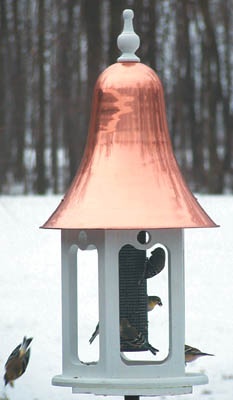
This is why maintaining clean feeders is important. Non-porous surfaces like glass, copper, recycled plastic or vinyl are much easier to clean than wood. These wild bird feeders promote a healthier environment because bacteria can’t settle into cracks and crevices. There are a few easy steps to help prevent the spread of conjunctivitis and what to do should you see an infected bird in your yard.
- Space feeders as widely as possible to divert large crowds from gathering at one spot.
- Clean feeders with a 10% bleach solution (1 part bleach to 9 parts water) with extra attention to feeder ports. Rinse thoroughly and air dry.
- Rake fallen seed and bird droppings beneath feeders, keeping this area clean.
- Take feeders down if you see one or two birds with infected eyes, and clean as suggested above.
- Some folks even wait to hang feeders again, encouraging the flock to move on.


Birding Tips, Information & News