-
MU Researcher Works to Save One of the World’s Most Endangered Birds
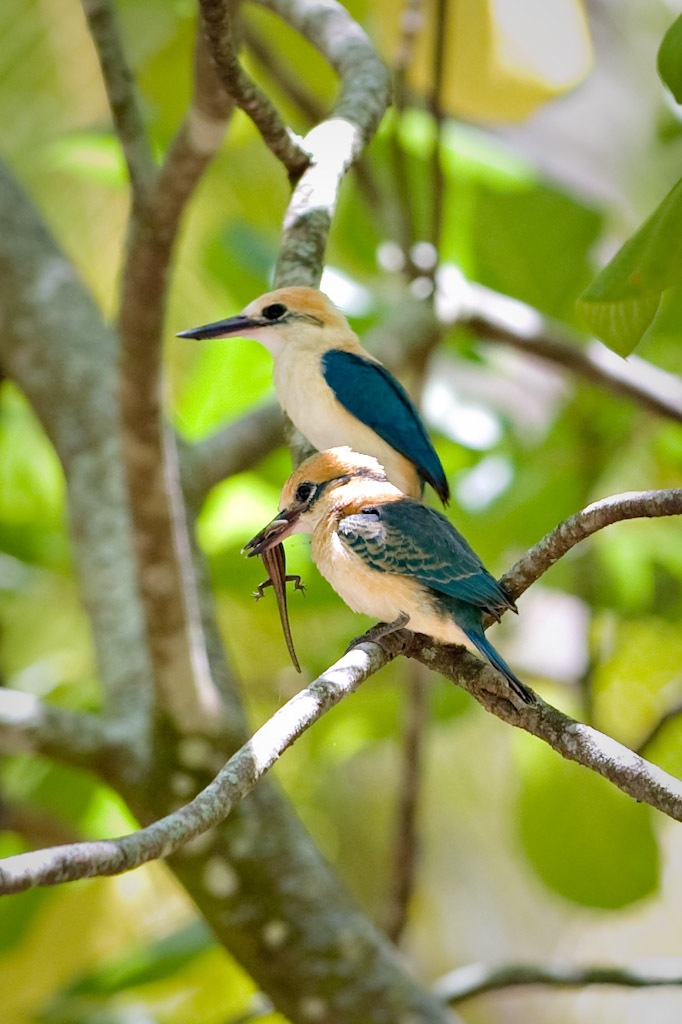
 COLUMBIA, Mo. — The Tuamotu Kingfisher is a multicolored, tropical bird with bright blue feathers, a dusty orange head, and a bright green back. The entire population of these birds – less than 125 – lives on one tiny island in the south Pacific, and without serious intervention, they will no longer exist. One University of Missouri researcher is trying to stop the birds’ extinction by working with farmers and residents on the island inhabited by the kingfishers.
“If we lose these birds, we lose 50,000 years of uniqueness and evolution,” said Dylan Kesler, assistant professor in fisheries and wildlife at the University of Missouri’s School of Natural Resources in the College of Agriculture, Food and Natural Resources. “Because it has lived in isolation for a very long time, it’s unlike any other bird. There is no other bird like this on the planet.”
Dylan Kesler, assistant professor in fisheries and wildlife at the University of Missouri’s School of Natural Resources in the College of Agriculture, Food and Natural Resources, is trying to stop the extinction of one bird species by working with farmers and residents on a remote island in the south pacific.
In new studies published in the journal The Auk (published by the American Ornithologists Union) and the Journal of Wildlife Management, Kesler and his team of researchers have uncovered important information to help ensure the birds’ survival and a unique way to attach radio transmitters to the birds to track them.
To survive, the kingfishers need several specific habitat characteristics:
- Hunting Perches about 5 feet off the ground – The birds hunt by “pouncing.” They watch their prey and then fall on them from hunting perches about 5 feet high. Without the perches in broadleaf trees at the appropriate height, the birds have no way to hunt.
- Exposed ground – the birds’ food consists mainly of lizards, which are easier to spot where the ground is clear of vegetation. When coconut farmers conduct intermediate burns on their land – which are hot enough to kill brush, but do not lead to widespread fires or kill the lizards – it exposes more ground and the birds can see the lizards.
- Dead trees for nesting – the birds create nests by flying into dead trees and hollowing cavities. Live trees are too hard and many farmers cut down their dead coconut trees. By encouraging farmers to leave some dead trees, the birds will continue to be able to build nests.
- Lessoning the impact of predators – cats and rats, which were introduced to the island by humans, now hunt the Tuamotu Kingfisher. By wrapping metal bands around the trees, the predators are less likely to get into the nests, but Kesler is still searching for other solutions that might alleviate the pressure on the birds.
In a separate study, Kesler also developed a “weak-link” radio harness for the birds to wear. In previous studies with different birds, scientists have reported unintentional harm to the birds after attaching radio transmitters. That harm included scratching the birds, making the birds act peculiarly and introducing infections. Using this new harness, Kesler was able to track the birds during the study, and the harness was shed within two months.
“Unfortunately, even with all our work to date, the population is still crashing,” Kesler said. “We’re seeing some turnover, but each year when we return, there are more empty territories and the population decreases. At this rate, these birds will be gone within our lifetime.”
For more information, visit: http://picra.net/tk2010/TK2010/Introduction.html
View this news release on the Web at:
http://munews.missouri.edu/news-releases/2011/0321-mu-researcher-works-to-save-one-of-the-world%e2%80%99s-most-endangered-birds/For more news, visit:
http://munews.missouri.edu/ - Bird Houses, Blue Bird Houses, Bluebird Houses, Uncategorized, Unique Birdhouses, Vinyl with Copper Roof Birdhouses
bluebird houses crafted in vinyl last a lifetime!
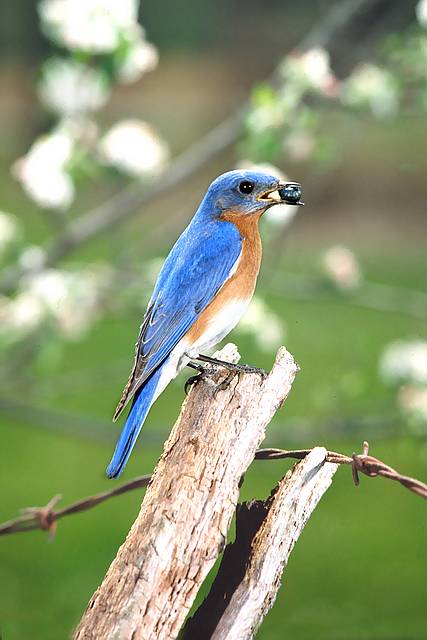
 Here in this southeastern back yard, the Bluebirds never left, they over-wintered as our accommodations provided them well through a frigid winter season. Live mealworms were (and still are) fed daily, and bird baths remained heated throughout winter months. Lots of roosting spots, including several bluebird houses helped them keep warm at night.
Although wood is always good for most bird houses, over time it tends to weather and rot… which is not so good for prospective tenants. On the other hand, vinyl houses (like the kind people live in) pretty much last forever.
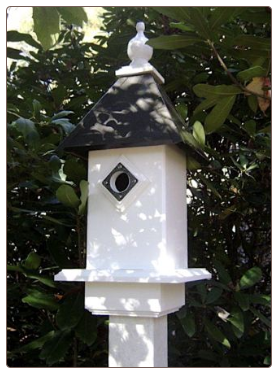
There’s a new breed of bluebird houses crafted to do just that… last forever! Architectural Bluebird Houses in white vinyl are an attractive and affordable alternative if replacing old nest boxes. Since they’re hand made (in the USA) there’s always a color choice for the roof too. Exterior grade plywood is covered in a coated aluminum to provide durability beyond compare. Roofs are available in bronze (shown here), verdigris and hammered copper options. With meticulous construction, and inert materials, these vinyl bluebird houses will last a lifetime, hosting many successful broods over the years.
One other thing on bluebird houses: as a rule of thumb, houses should be placed in open areas, at least one hundred feet apart, as bluebirds are
 quite territorial. But if there is competition from swallows or other birds for the same house, placing another nest box about ten to fifteen feet apart will in many cases, make both parties happy!
- Bird Accessories, Bird Feeders, Bird Nesting Materials, Hummingbird Feeders, Nesting Material, Uncategorized, Window Hummingbird Feeder
add this near your window hummingbird feeder
 With the hummingbird migration in full swing, it won’t be long before the tiny sprites are in your neck of the woods. Already spotted in LA, SC, TX and all along the Gulf Coast, its just a few short weeks before they’ll infiltrate up the East Coast and Midwest, ultimately reaching Alaska, British Columbia and Canada.
Aside from your hanging or window hummingbird feeder, you can further entice hummers with moving water such as birdbath fountains and bubblers, and of course, nesting material.
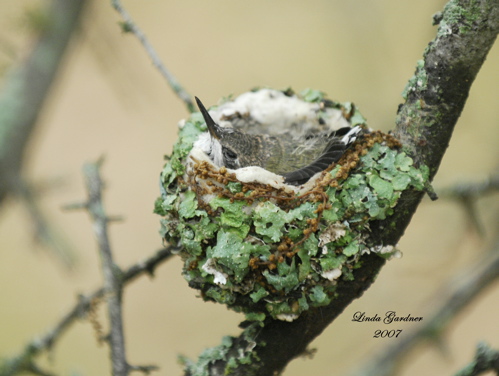
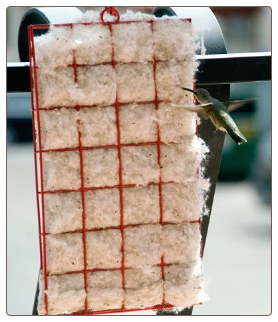
The Hummer Helper nesting material has been tested and proven to increase the numbers and activity of hummingbirds at your feeders. How you might ask? Because if suitable nest sites are found in your yard, juveniles will also visit feeders, including your window hummingbird feeder. If nectar is always kept fresh, and there’s an enticing water feature, you can bet the same hummingbirds will be back next year! They’re known to practice “site fidelity” meaning that attractive diggs will remain their site of choice the following year. Hummer Helper Nesting Material has even been endorsed by The Hummingbird Society for its effectiveness at promoting nesting by hummingbirds.

Hummingbirds aren’t the only ones who will use this nesting material either, American Goldfinches also adore the white fluffy stuff and will use it for their nesting season in late June through July.
Encourage nesting in your yard through wildlife-friendly habitat. Food water and shelter are the keys, whether natural or man-made. Nectar-producing flowers provide food, while shrubs help with predator protection and provide nesting spots, these will attract many species of wild birds. Water is the best way to attract even more feathered friends too. Mature trees, fruit or berry-producing trees, and even brush piles serve many wild birds well. Never throw out or burn garden debris, if space allows, use it to create brush piles in the back of the yard… your wildlife will thank you for this valuable and natural cover!

Birding Tips, Information & News