-
Visitors To The Animal Rescue Site Donate More Than $300,000 In March To Japan Animal Rescue Efforts
The ongoing situation with the nuclear power plants in Japan is creating
a new need for shelters for animals removed from the area by their owners.(SEATTLE, WA –MARCH 2011) –Visitors to The Animal Rescue Site donated
more than $300,000 in March to the current animal rescue efforts in
Japan. The funds were distributed weekly after receipt to the Humane
Society International (HSI) and the International Fund for Animal Welfare
(IFAW) by GreaterGood.org, the nonprofit partner of the popular website.“Through the Gifts That Give More™ program at The Animal Rescue Site, we
provide online donors with a safe, fast way to give money to the groups
who need it the most in times of disaster,” said Lisa Halstead, board
president of GreaterGood.org. “We disburse emergency funds weekly to give
the first responders the flexibility and the support that they need when
aiding survivors in a crisis.”GreaterGood.org’s unique Gifts That Give More™ program allows 100%
tax-deductible contributions to be directed to nonprofit causes or
projects selected by the donors. With typical donation levels of $10 to
$100 per Gift, the program has generated millions of dollars for more than
80 charities worldwide since its inception. In particular, the program has
allowed visitors to The Animal Rescue Site and other GreaterGood Network
websites to quickly provide assistance to survivors during such disasters
as the Haitian earthquake, the Gulf Coast oil spill, and others.After putting out the call to donors on March 11 following the Japanese
earthquake and tsunami, GreaterGood.org was able to send $170,480 to HSI
on March 21, followed by donations of $103,810 to HSI on March 28 and
$30,000 to IFAW on March 28. A total of $304, 290 has been distributed in
less than 18 days after the earthquake struck.“Gathering supplies and deploying to Japan is no minor expense, and The
Animal Rescue Site and GreaterGood.org have made possible our swift
mobilization,” said Wayne Pacelle, president and CEO of The Humane Society
of the United States, HSI’s parent entity. “We’re working closely with
Japanese partners to provide emergency sheltering, help animals in urgent
need, lay the foundation for permanent enhancements to animal care
capacity in the devastated zone, and set the stage for policy changes to
strengthen animal protection in Japan in the future.”Both HSI and IFAW are working with local animal rescue groups to provide
temporary shelter for lost or abandoned animals as well as animals owned
by people who have had to evacuate due to the damaged nuclear power plants
(many Japanese shelters cannot allow the animals into the same area as the
people, so the pets are left outside or in people’s cars). They will use
the funding from The Animal Rescue Site and GreaterGood.org to ship
essential supplies to the region (such as food, dog kennels, collars, and
bowls), and help coordinate the efforts of Japanese animal welfare groups
and other international animal welfare organizations that are working to
identify and meet the most urgent and immediate needs of animals affected
by the disaster.“Watching the devastation in Japan from afar, we knew the impact was going
to be terrible for people, and we knew animals would need help too,” said
IFAW’s Manager of Disaster Relief, Dick Green. “The swift generosity of
The Animal Rescue Site community and GreaterGood.org helped get IFAW here,
on the ground in the impacted area, so we can help the animals of Japan.”More On The Animal Rescue Site and GreaterGood.org
Each click on the purple “Click Here to Give – it’s FREE” button at The
Animal Rescue Site (www.TheAnimalRescueSite.com) provides food and care
for a rescued animal living in a shelter or sanctuary. Funding for food
and care is paid for by site sponsors and distributed to animals in need
at shelters supported by the Petfinder Foundation, International Fund for
Animal Welfare, the Fund for Animals’ animal sanctuaries, North Shore
Animal League America, Rescue Bank, and other worthy animal care
facilities supported by GreaterGood.org. Additional funding for projects
comes from the sale of items and the Gifts That Give More™ program at The
Animal Rescue Site store.The independent 501(c)3 GreaterGood.org supports rescue and animal care
projects around the world, including contributions of more than $250,000
to the formation of ARCH and subsequent rabies vaccination campaign of
50,000 animals in Haiti following the 2010 earthquake; multiple grants for
U.S. shelters that vaccinated 114,485 dogs and 80,944 cats in 2010; and
more than $200,000 awarded in the last six months to shelter and rescue
groups impacted by the Gulf Coast oil spill; among other projects. For
more information, see www.greatergood.org. -
some cool blue bird houses to last a lifetime

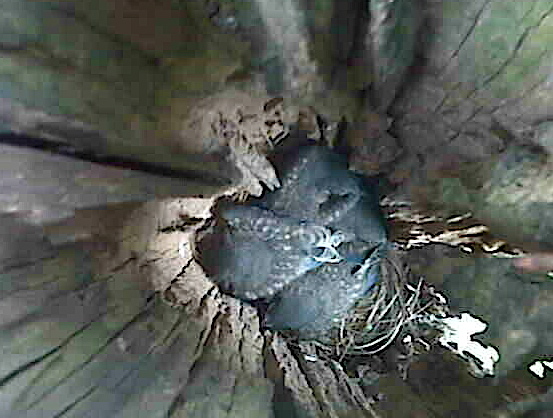
baby bluebirds grow up in a fence post at the farm  With a severe shortage in natural nesting places, bluebirds will appreciate decent diggs to nest and raise their young. With increasing development from strip malls to subdivisions snuffing out habitat, competition from non-native species also plays a huge part in this shortage of nest spots.
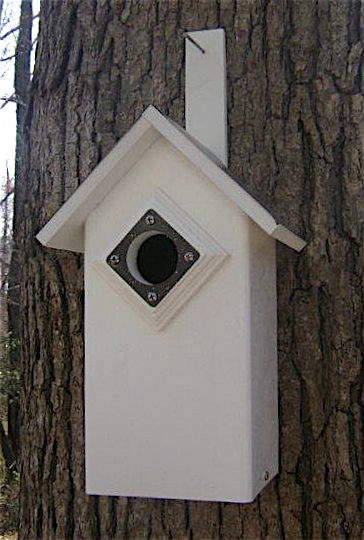
You can provide proper housing in high style, with blue bird houses that will never rot, fade or warp with weather and time. More than just wood, materials like vinyl, ceramics and stoneware make for fantastic blue bird houses that are handcrafted to last a lifetime. This Vinyl Cottage Bluebird House happens to be NABS (North American Bluebird Society) approved. Complete with a metal predator guard, it helps protect eggs and nestlings from predators like cats, raccoons, and larger birds.

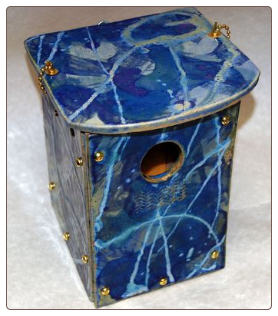
On a more artistic note, handcrafted stoneware blue bird houses can provide an interesting focal point in the landscape, while providing a proper nest site for blue birds. Stoneware is also inert, meaning it will not rot, is totally insect proof and guarantees to be around for a lifetime.
Help bluebirds thrive and flourish by erecting blue bird houses in your yard. You can entice them with suet and heated birdbaths in winter, and of course their favorite food any time of year… live mealworms! If you’re lucky enough to have more than one successful brood, it’s a real joy and pleasure to watch juveniles from the first brood help raise the new chicks and teach them to hunt.
-
TV ICON BOB BARKER OFFERS $100,000 TO CITY OF EDMONTON!
A serious situation is unfolding at the Edmonton Valley Zoo with Lucy the sick Asian elephant and Bob Barker’s generous offer of $100,000 that would pay to bring in world-renowned elephant experts to properly examine and diagnose Lucy who is dire need of specialist care. Unless the City accepts Bob Barker’s offer to pay for a second opinion for Lucy, she remains a hostage in solitary confinement. The goal is to prolong Lucy’s life providing her with expert specialist care and eventually moving her to an animal sanctuary in the U.S.
Bob Barker has offered the City $100,000 if they allow animal welfare organizations to bring in outside elephant veterinary experts to properly diagnose Lucy’s current condition. This important medical intervention will be able to determine her ultimate fate: obtain a needed second opinion about her condition and fitness to travel or allow her condition to worsen which could lead to her potential demise.
Bob Barker and animal welfare organizations are urging the Mayor of Edmonton to accept the $100,000 grant and agree to a proper second opinion and the very best in veterinary medicine. This is the right thing for Lucy, the City, the world and countless other zoo animals.
Please help publicize Lucy’s plight and be voice for those who can’t speak for themselves, they count on us to help. Unfortunately, Lucy is not the only captive elephant that is suffering without necessary care and treatment.
PRESS RELEASE:
Television icon Bob Barker is prepared to contribute $100,000.00 to the city of Edmonton to use as the city choose if the city will agree to allow independent elephant experts, selected by Zoocheck Canada and Performing Animal Welfare Society, to come to Edmonton and examine Lucy, an elephant in the Edmonton Valley Zoo, who has lived in chronic physical distress for decades, according to the Zoo’s own medical records secured under the Freedom of Information Act.“It’s crucial that Lucy’s condition be accurately diagnosed before her health deteriorates further,” said Barker. “It is indefensible that Lucy has been forced to live in misery for all these years.”
A number of animal protection organizations, including Zoocheck Canada, believe that Lucy’s health problems will lead to her death unless her condition is correctly diagnosed and proper remedial treatment is administered immediately.
Barker made the offer upon hearing that Lucy’s “respiratory condition” has still not been diagnosed and that Lucy continues to be in distress 18 months after reports of her ill health began circulating.
For several years, Edmonton Valley Zoo management have said they cannot move Lucy because of a mysterious “breathing problem,” but they have been unable to diagnose the source of the problem or to provide any treatment to relieve its symptoms. Meanwhile Lucy’s health and welfare continue to be of concern with her weight remaining excessively high and her foot problems (the leading cause of death in captive elephants) unresolved. On top of that, industry standards state that elephants should never be kept in groups of less than three and Lucy is all alone.
On January 13, 2011 the Edmonton Humane Society (EHS) directed Valley Zoo management to diagnose and treat Lucy’s respiratory illness but the zoo and their consultants have made little, if any, progress to date.
“I sincerely hope the City of Edmonton will allow outside experts to help Lucy so that her suffering can be ended. It seems like a win-win-win scenario to me. The zoo wins, concerned citizens win, but most importantly of all, Lucy wins,” said Barker.

Birding Tips, Information & News