-
Barn Swallow Nest Cups to the Rescue!
Although you may still have snow on the ground… ’tis the season in the southeast! Already we’re seeing bluebird families dissipate to claim territory while luring mates and scouting houses. Purple martins have returned which means barn swallows are en route. The latter, both considered migratory birds are here for their spring/summer breeding season. Martin landlords are ecstatic (just check any social media page) and bluebird enthusiasts are gearing up hoping for a strong nesting season.
 Still somewhat intact (despite environmental protections systematically being destroyed), is the Migratory Bird Treaty Act which was written in order to protect these (and other) beneficial migrating birds. Impeding the nest of any migratory bird is not only illegal, it’s immoral and downright mean. There are alternatives should nesting birds become problematic around your property.
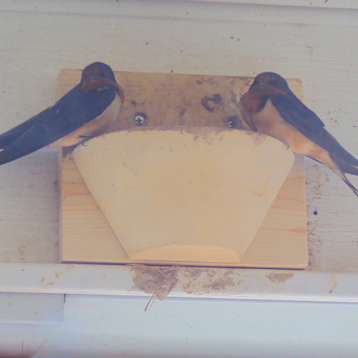
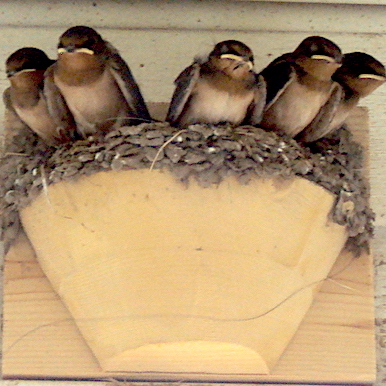
Barn swallow nest cups are just one example. Made of wood, they’re less messy than natural nests and last for years. Best part is that swallows love these cups and by customer reviews over the years- it’s 5-star all the way! Should the poop be a problem, simply install a small shelf below the nest cup. It won’t bother the birds in the least and messy poop problem is solved. This inexpensive optional add-on will be available with our nest cups very soon!
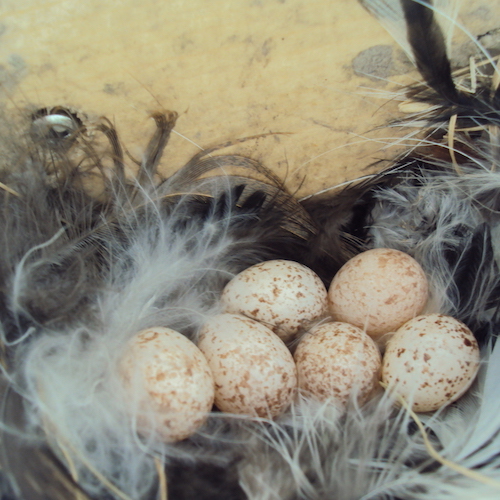
Because swallow nesting sites are disappearing (along with much of the natural habitat) we’re rooting for these family-oriented birds who eat thousands of bugs and mosquitoes. With 2 broods per season, they return to the same nesting site each year… with kids in tow! It’s actually pretty cool to witness the cycle and for folks who’ve been lucky enough to have them- their early spring arrival is eagerly anticipated.

We reside near a Publix Supermarket outside of Atlanta. Their grande brick entryway happens to be the home of a barn swallow family who’s been nesting there for the past three years. We’re in this store enough for a family of ten… needless to say it’s like every other day. So periodically looking up to see if the swallows were back yet, we noticed the dreaded bird spikes installed to keep them from nesting. Heart sink now, so very disappointed 🙁
Of course nobody in the store really cares (part of society’s problem today) so four times we tried to get management on the phone. A bit of gentle education was in order- just letting them know what they’ve done is actually illegal and there are alternatives available. We’re more than happy to donate the nesting cups and make the shelves to contain any poop. Management had no idea and thanked us for our concern. They took our info and said property management would be in touch. Hope so… we’ll see what transpires. And hey… it’s all about the birds 🙂
 Update: After speaking with GA Dept. of Natural Resources, we learned the practice of blocking nests of migratory birds is not illegal.
What is considered illegal is harming or removing a nest. So, if the birds have begun building, it’s hands-off and no interference is allowed. Since the swallows have not yet arrived, blocking their nest area is legal… but still cruel and ethically wrong when such easy alternatives are available.
-
Do More with Peanut Bird Feeders
 Just a few short weeks (hopefully) and that dreary, brown, snow covered landscape will give way to lush new foliage… and it can’t come soon enough for many of us!
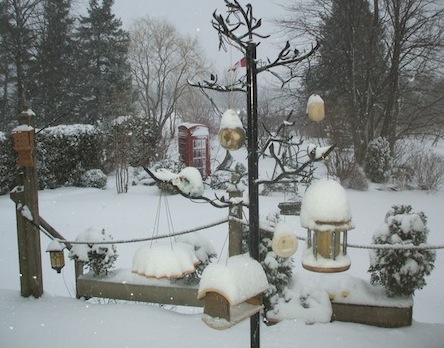
Feeders have been in full swing this winter with hungry birds braving the most frigid days seeking calories to keep warm. Every feeder’s seen its share of flying traffic through this most miserable season.
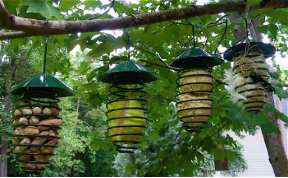
With bulbs forcing through, birds are already starting to nest in the southeast, we’ve already changed up two peanut bird feeders for another good use… nesting materials!
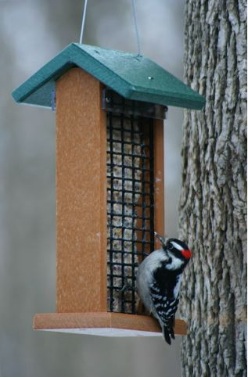
Any kind of feeder with wide openings works well. Because peanuts are still mighty beneficial to birds, using an extra suet cage is ideal for offering materials.

Here’s one of the cool things about backyard birding. Not too much is cut in stone so to speak. You needn’t buy a full-fledged peanut bird feeder to offer peanuts, nor a complete nesting material kit to offer the materials. Here’s a cool recycled 3-in-1 feeder that perfect for suet, peanuts, nesting material or even fruit in summer. Just be creative and see what works best for your birds!

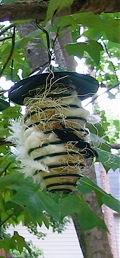
That same spring feeder offers peanuts, suet, nest material, and yes… fruit in summer. Oh yeah, and the nesting materials? You can do this one yourself! Cats or dogs? Save their hair (not such a good idea if fluffy or fido has been treated with flea & tick medication). Decorative mosses are another favorite, sphagnum or sheet moss, Spanish moss, coco fibers from old plant liners too. Just be sure they’re clean. Feathers are coveted as well for some species’ nests. Again, just be sure thee have been sanitized, and use light or natural colors in the mix.
 Recently cruising one of the video platforms, a big retailer’s video came up about nesting material. With lots of video views, “how dead wrong” is what came to mind. Cardinals don’t use those shelves, they nest in trees or shrubs. But I guess if you have no trees or shrubs they might use one? And they don’t use that cotton stuff either. Weed stems, twigs, bark, grasses and leaves are what make up cardinal nests in these parts… come on!
 - Bird Accessories, Bird Houses, Bird Nesting Materials, Decorative Bird Houses, Nesting Material, Uncategorized, Unique Birdhouses, Wood Birdhouse
Made from wool? Yes, wool… not wood birdhouses
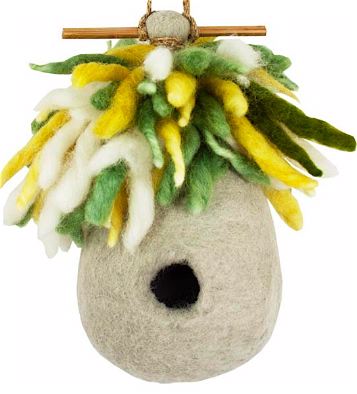
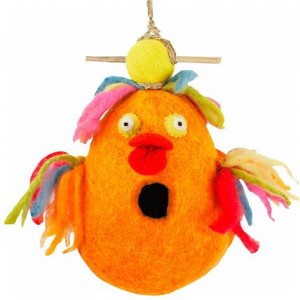
 While scouring the Atlanta Market in early January, we thought these birdhouses were just too cool! After looking at a gazillion wood birdhouses, is was like “what the heck… wool birdhouses?”
They were so darn cute, but were they functional like wood birdhouses? Yes, because wool naturally sheds rain. You can provide a real nest site (and killer, unique gift) with these fun & functional wool birdhouses!
Handcrafted from felted wool and hand-died yarns, they’re made with sustainably harvested materials including sheep wool, hemp and bamboo. And, these fun hand-felted wool birdhouses are created by skilled, Fair Trade artisans in Katmandu, Nepal, supporting both urban and village women
 .
.If the surface gets wet it will easily air dry, they can be used indoors for a whimsical accent, or outside where birds can make a home to raise their young. Another really cool thing is that some birds will even snag the colorful fibers to build their own nests, and with the mild winter temps, nesting season is already upon us here in the Southeast.
The 1.25-inch entrance will accommodate chickadees, titmice, wrens, and other small cavity dwelling songbirds. These amazingly cute birdhouses are designed for year-round outdoor use, and will maintain their shape for at least one year, with a longer life span if hung in a sheltered area. The bright colors may begin to fade if left in direct sun for more than two months. They’re a pretty generous size too, measuring 8.5 inches tall by 5.5 wide.
We can’t wait to hang one in our yard (they’re on their way now) and see who takes up residence, and see which birds enjoy feathering their nest with the bright yarns!

Birding Tips, Information & News